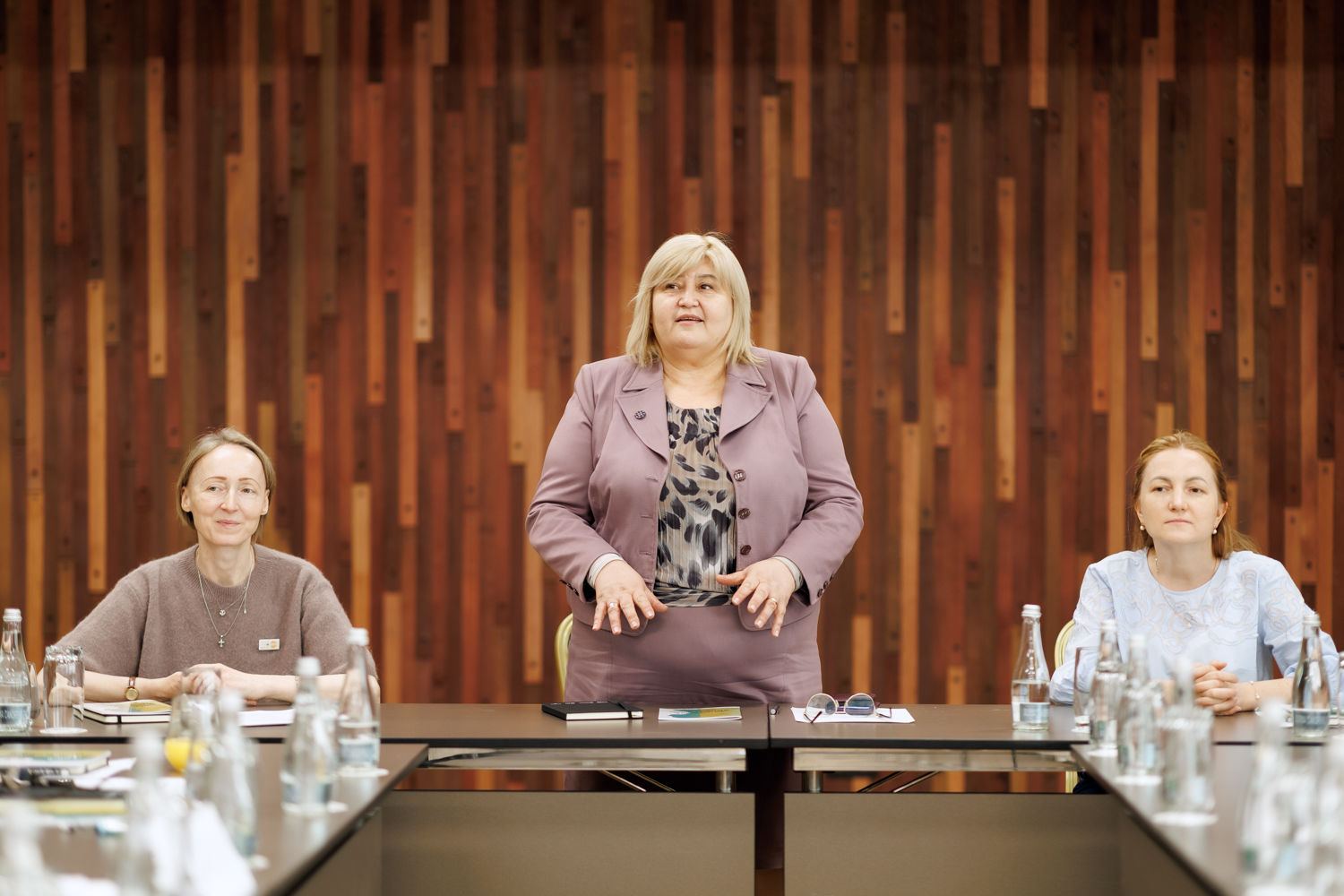
Professionals from various fields trained as trainers in coordinated responses to cases of sexual violence.
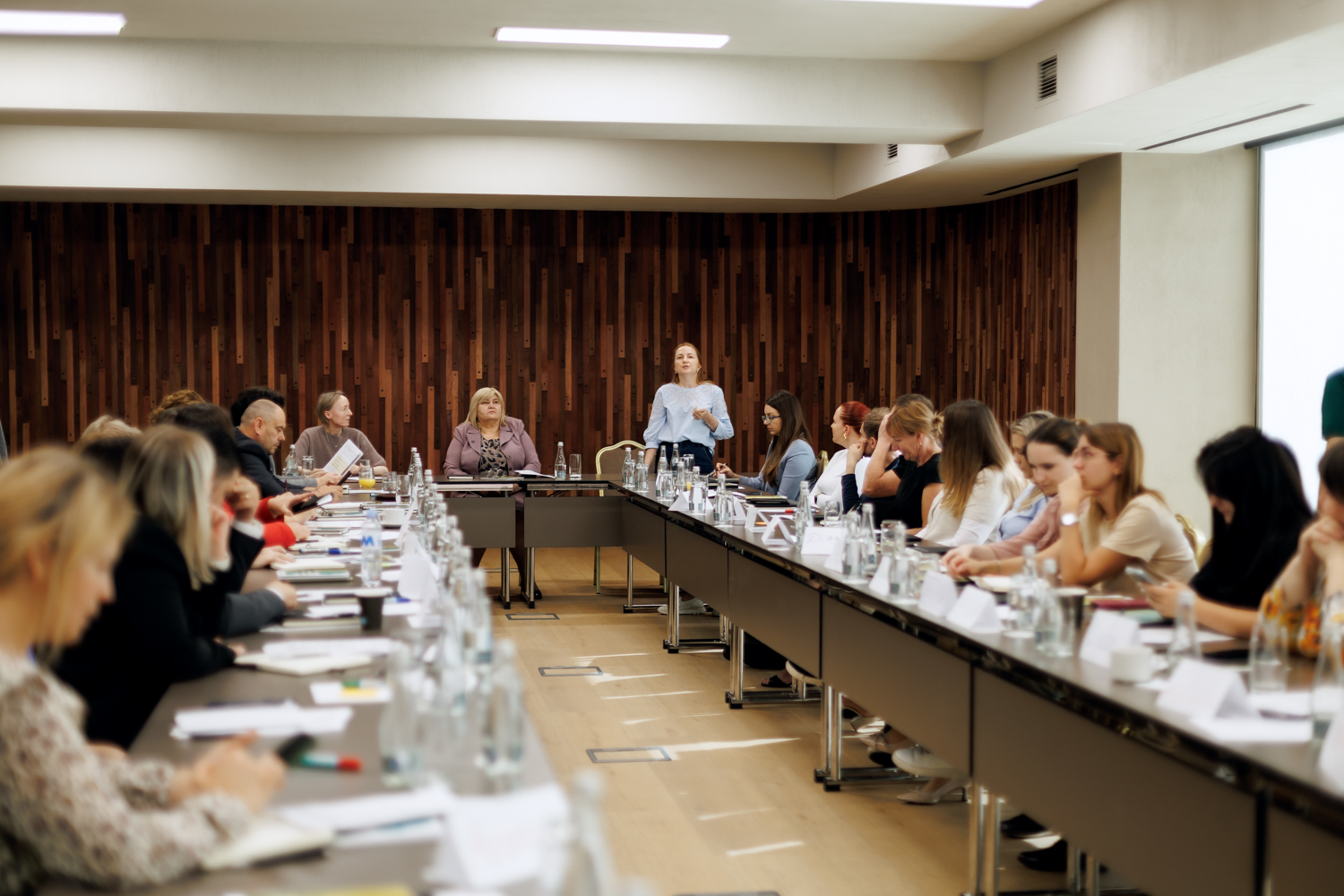
An effective response to cases of sexual violence requires not only investigating the offence, but also a trauma-informed intervention that respects the victim’s rights and ensures cooperation among the professionals involved. This was the objective of the “Integrated Response and Multidisciplinary Team Intervention in Cases of Sexual Violence against Adult Victims” Training of Trainers, held today in Chișinău.
The training brought together around 40 professionals from different fields and aimed to develop a shared set of competencies that would subsequently enable participants to disseminate knowledge and good practices among local-level specialists responding to cases of sexual violence. The programme addressed the legal, psychological and forensic-medical dimensions of intervention, with a particular focus on the need for a coordinated response among the institutions involved.
Speaking at the event, Galina Nița, Acting Head of the Professional Training and Methodological Support Division within the National Agency for Preventing and Combating Violence against Women and Domestic Violence, noted that the participants were attending the second training session and would subsequently train local multidisciplinary teams. This cascade approach will contribute to transferring knowledge to approximately 7,000 specialists across the country who are on the frontline of contact with victims. “Through this cascading mechanism, the training aims to strengthen, at national level, a common, coordinated and victim-centred response,” said Galina Nița.
Eugenia Berzan, Sexual and Reproductive Health (SRH) Programme Analyst at the United Nations Population Fund (UNFPA) in Moldova, stressed that sexual violence is one of the most serious forms of human rights violation, while the associated risks and vulnerabilities are exacerbated during times of crisis. “The first 72 hours are crucial when responding to a victim of sexual violence. Some of the consequences of this traumatic experience can be prevented or reduced if the person receives timely access to the support and services they need. That is why frontline professionals need to know how to act promptly, appropriately and in a way that protects the victim. UNFPA Moldova supports the capacity-building of these professionals so that every person affected by sexual violence can receive a coordinated response from the very first hours after the incident occurs or is disclosed,” said Eugenia Berzan.
Cristina Deliu, Programme Director at the International Centre “La Strada”, highlighted the sensitive and complex nature of sexual violence cases, as well as the importance of a professional response from the very first contact between a victim and the support system. “Every day, the Women and Girls’ Trust Line 0 8008 8008 receives calls from women experiencing different forms of violence, and our team also provides support and assistance to victims of sexual violence. From this experience, we know how important it is for a woman seeking help to encounter a professional who knows how to listen to her, believe her and guide her appropriately to the next steps. We hope that this training will also become a platform for communication and cooperation among professionals. Specialists at the local level should be among the first people a victim can turn to with confidence and receive a prompt, competent response, without being judged or re-traumatised.”
Throughout the day, participants discussed victims’ rights and safeguards, the effects of trauma and trauma-response mechanisms, as well as the myths and prejudices that can influence perceptions of sexual violence and the way a case is handled. An important component of the training focused on developing trauma-informed communication and interviewing skills. Professionals were trained to recognise the psychological, emotional and physical effects of traumatic experiences and to adapt their communication to the condition and needs of the person seeking help.
The training also included a session dedicated to consent to sexual activity. Participants explored the differences between a culture of consent and rape culture and discussed the myths and prejudices that can influence the understanding of consent and the assessment of situations involving sexual violence.
Another key component of the programme was multidisciplinary cooperation. In managing a case of sexual violence, different professionals may be involved at different stages, including police officers, prosecutors, doctors, forensic specialists, psychologists and support service providers. The training addressed victims’ entry points into the system, cooperation among professionals, the collection and management of forensic evidence, as well as referral mechanisms to specialised services.
The training also covered the relevant national legal framework, including provisions of the Criminal Code, Code of Criminal Procedure, the Standardised Clinical Protocol “Clinical Management of Rape Cases”, and other relevant legal and regulatory instruments.
This activity was organised by the National Agency for Preventing and Combating Violence against Women and Domestic Violence under the National Training and Specialisation Programme for Professionals in the Field of Preventing and Combating Violence against Women and Domestic Violence, in partnership with the United Nations Population Fund (UNFPA) in Moldova and UNICEF, within the joint programme “Breaking the Cycle of Violence against Women and Children”, implemented by the International Centre “La Strada” with financial support from the Government of the United Kingdom.