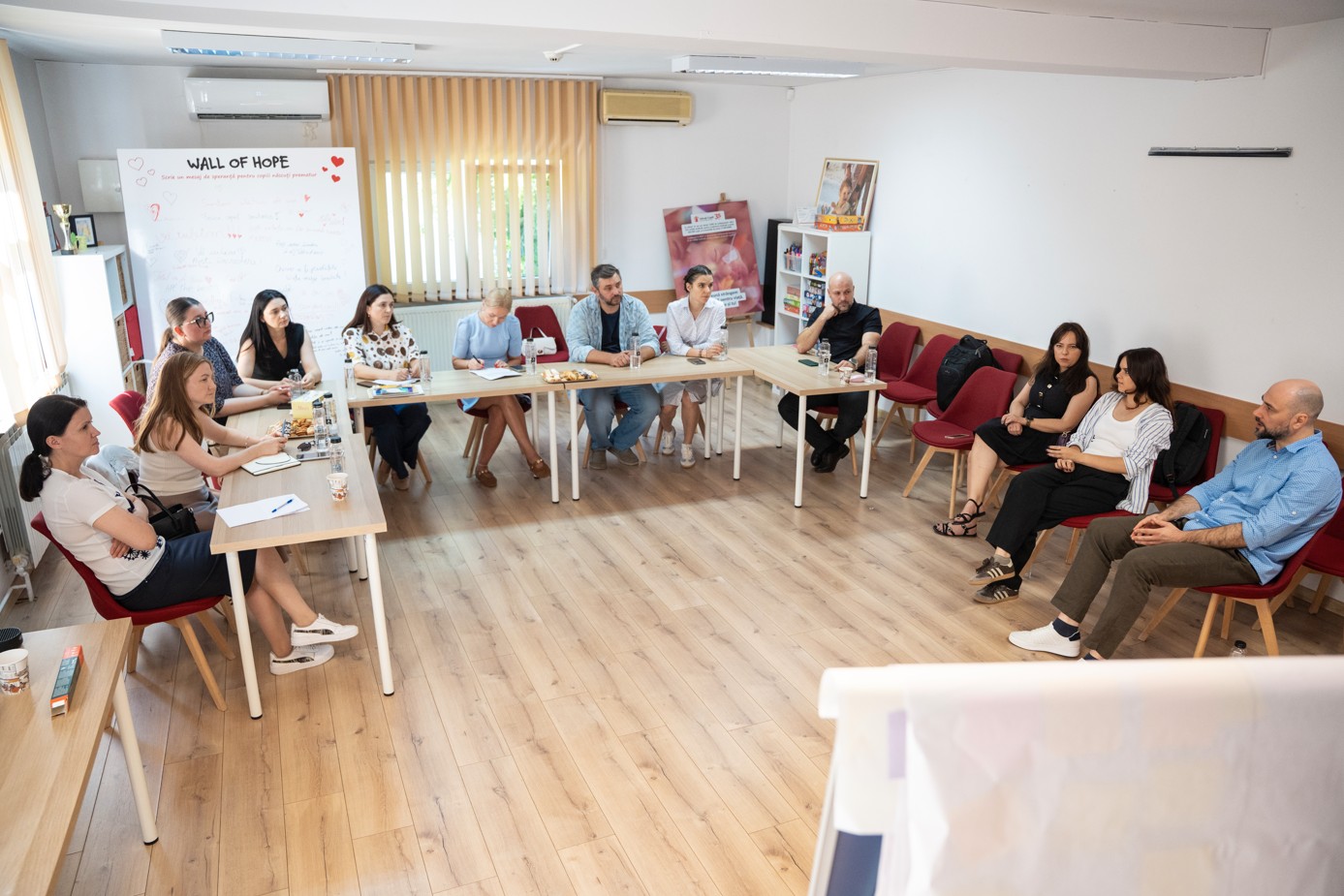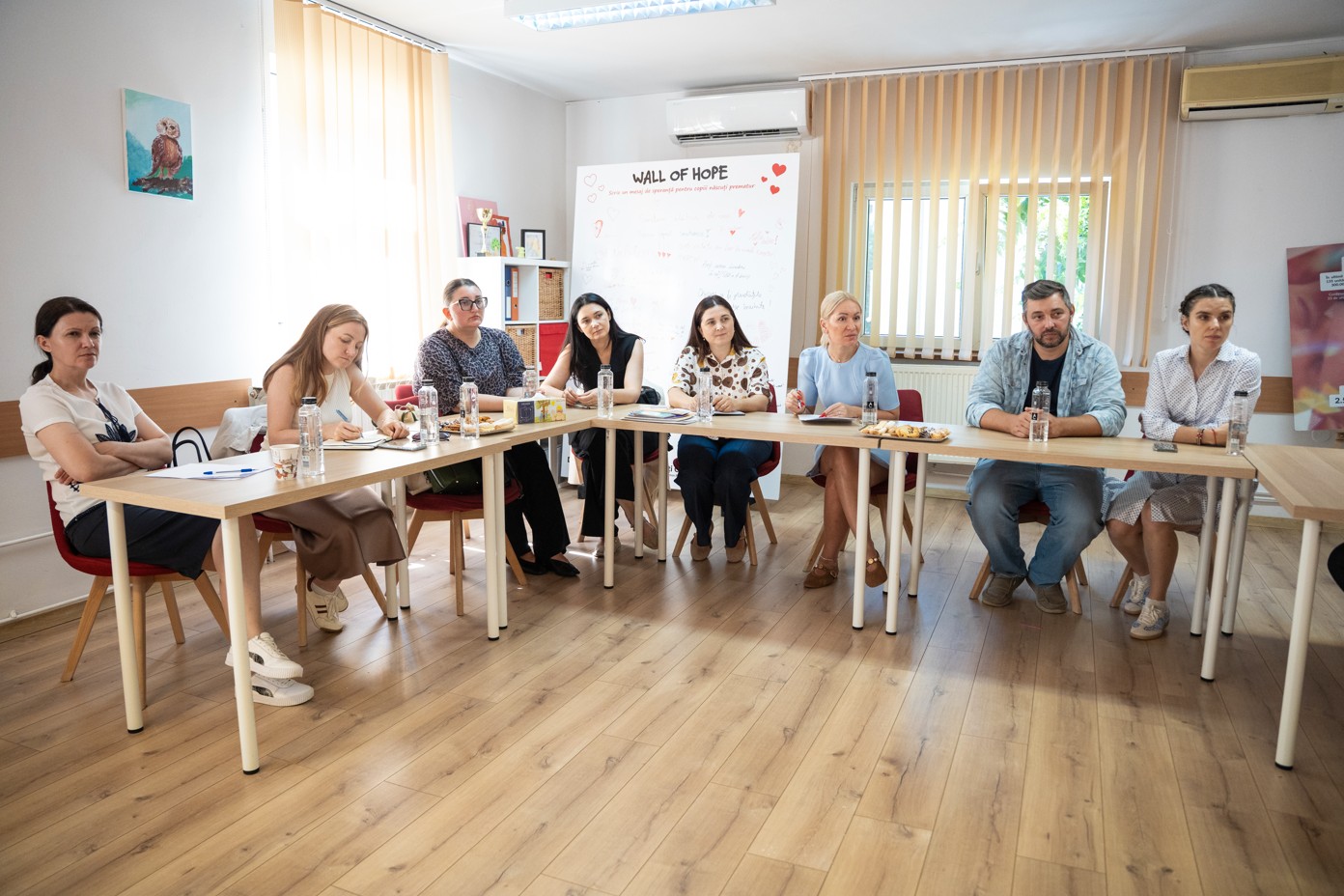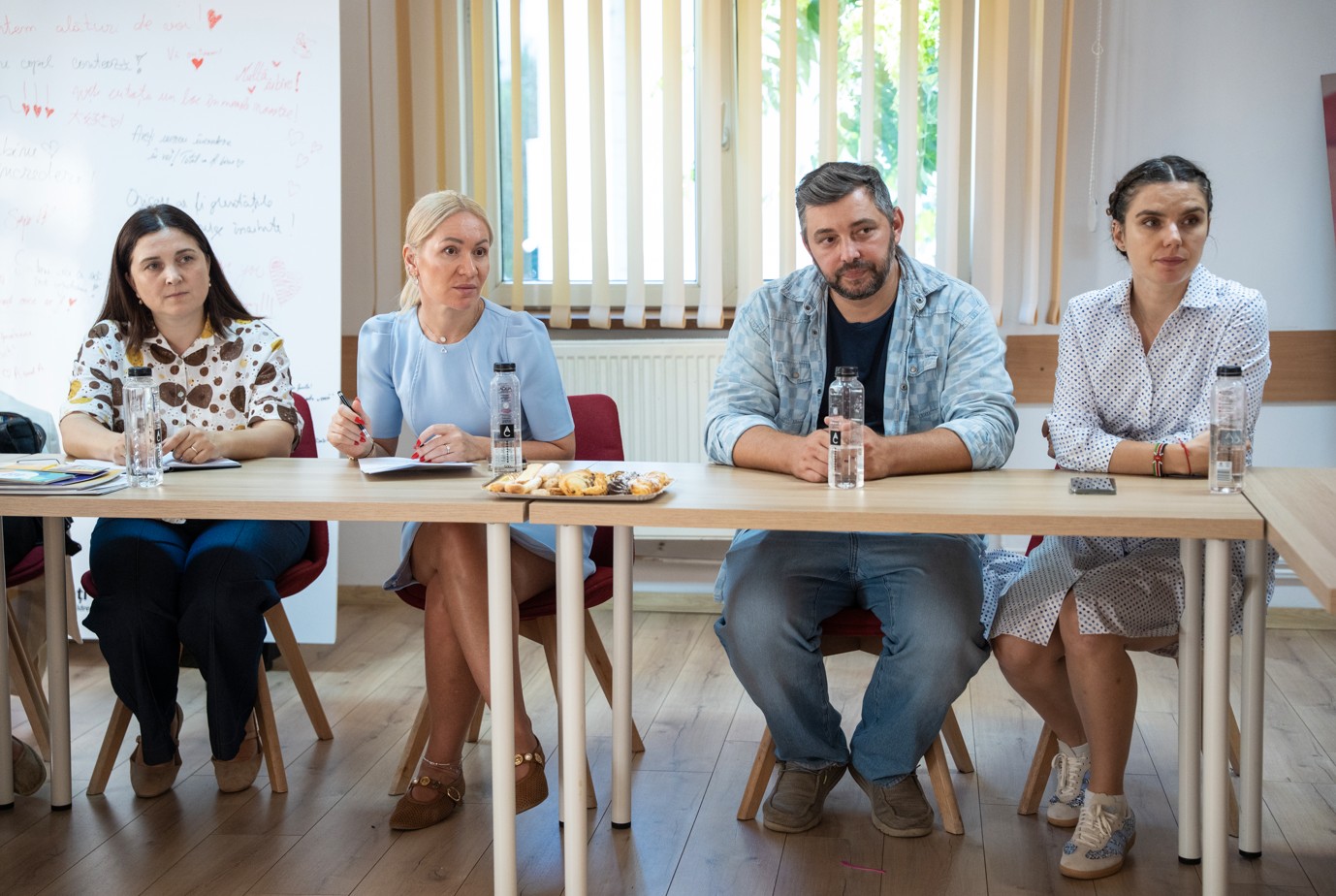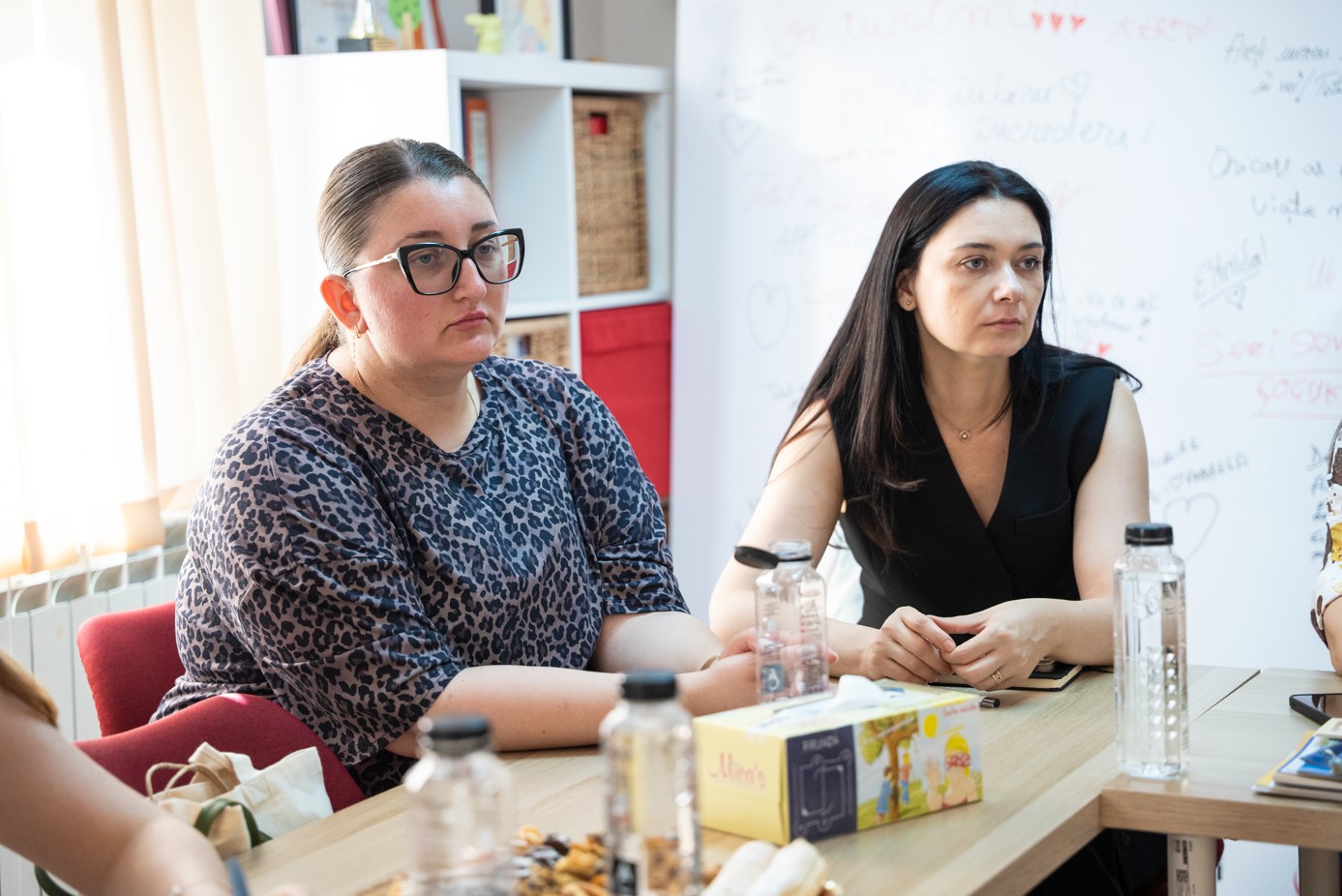
Professionals from the Republic of Moldova and Romania exchange experience and best practices to enhance the protection of children in the online environment.
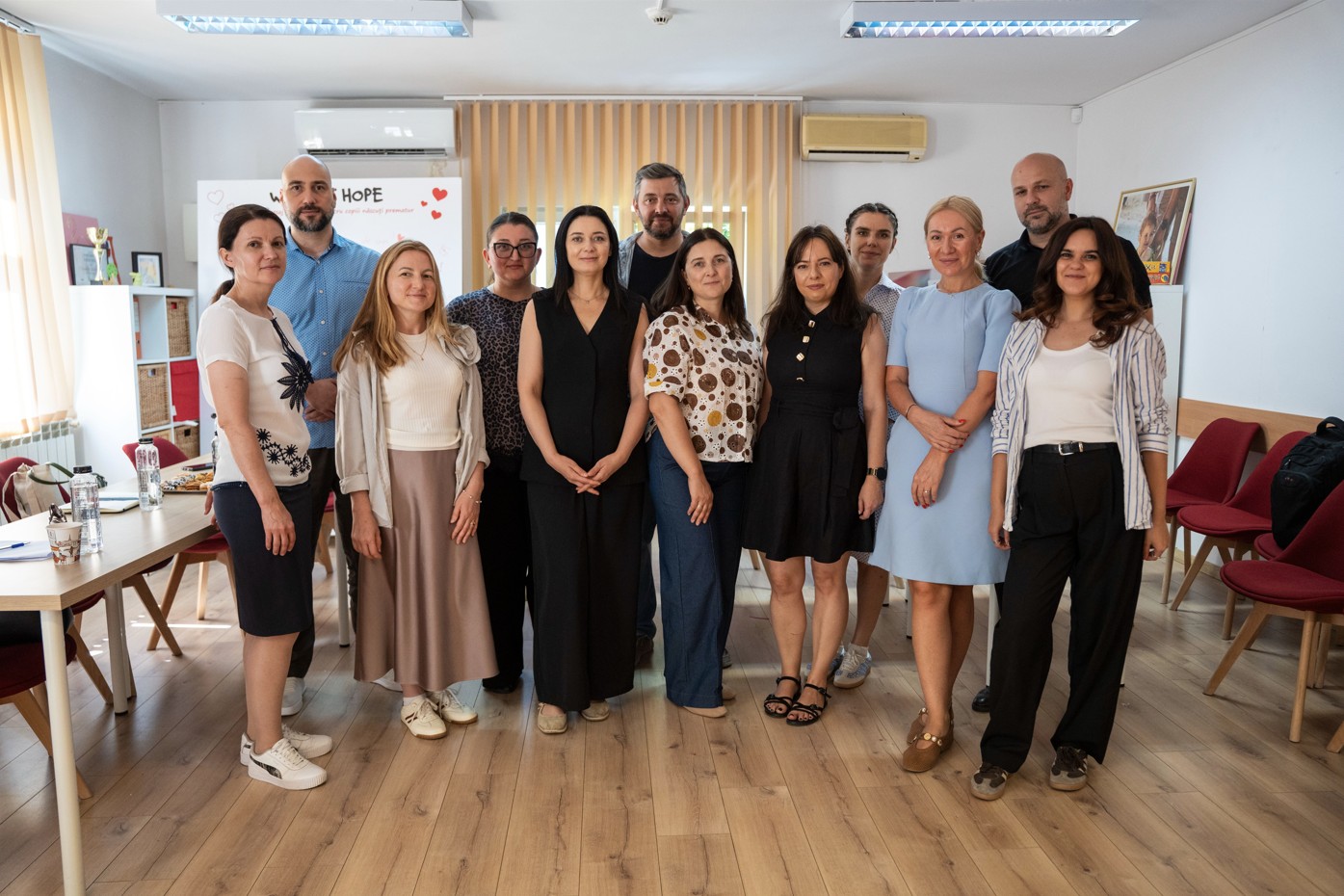
At the initiative of the International Centre “La Strada” (Moldova), a delegation comprising representatives of the Safer Internet Centre Moldova, public institutions and partner organisations—including the Child Helpline, the Ministry of Labour and Social Protection, the Ministry of Economic Development and Digitalization, and the National Regulatory Agency for Electronic Communications and Information Technology (ARCOM)—undertook a study visit to Bucharest on 13–14 August. Hosted by Save the Children Romania, the visit focused on the exchange of experience and best practices in the field of online child protection and on strengthening cooperation among professionals from both sides of the Prut River.
The study visit provided participants with an opportunity to gain a closer insight into the experience and working practices of the Romanian Safer Internet Centre, implemented by Save the Children Romania, as well as the cooperation mechanisms it has developed with public institutions, law enforcement agencies and other relevant stakeholders.
The two-day programme, developed jointly with colleagues from Romania, included meetings and open discussion sessions with specialists working directly in the field of children’s online safety, as well as exchanges with representatives of Romanian authorities supporting these efforts.
During the visit, participants learned more about the experience of the Romanian Safer Internet Centre and its work to protect children online. Discussions covered the organisation’s programmes on digital safety, its work with educational communities and volunteers in prevention activities, approaches to developing and implementing awareness-raising campaigns, as well as resources created for children and adolescents, parents, teachers and professionals.
Particular attention was given to addressing sensitive issues in ways that inform and protect without re-victimising child victims. Another important topic for the Moldovan delegation was the cooperation between the Romanian Safer Internet Centre and the Romanian Police in identifying and reporting child sexual abuse material (CSAM) online.
In this context, discussions highlighted the Romanian Safer Internet Centre’s status as a trusted flagger, the benefits of this mechanism, and its experience of cooperation with civil society and public institutions, including authorities responsible for education, child rights protection, communications regulation and law enforcement.
The sessions also gave participants an opportunity to openly discuss challenges encountered in practice—both in case management and in cooperation with relevant stakeholders—the importance of collaboration in identifying and developing effective solutions to address the phenomenon, and new opportunities for cooperation between professionals from the two countries.
The study visit also included a meeting with representatives of the National Authority for Management and Regulation in Communications of Romania (ANCOM), an institution with responsibilities similar to those of the regulatory authority in the Republic of Moldova, ARCOM.
Discussions with ANCOM representatives focused on the implementation of the Digital Services Act (DSA) and the European Union’s Artificial Intelligence Act (AI Act), with particular attention to measures and mechanisms relevant to the protection of children and adolescents.
Representatives of the Ministry of Economic Development and Digitalization and the regulatory authority of the Republic of Moldova had the opportunity to ask questions about Romania’s implementation experience, the challenges encountered, best practices developed and lessons learned. Another key topic was the role of civil society, alongside public institutions, in explaining the new European rules and informing users about their rights and responsibilities.
The study visit concluded with an exchange of contacts among specialists, the identification of opportunities for future cooperation and the outlining of common directions for joint activities.
Cristina Deliu, Programme Director at the International Centre “La Strada”, the organisation implementing the Safer Internet Centre Moldova, welcomed the openness and commitment of the Save the Children Romania team in organising the study visit and reiterated the value of such exchanges for strengthening activities aimed at improving children’s online safety in the Republic of Moldova:
“We greatly appreciate the openness and responsiveness of our colleagues at Save the Children Romania, who made this visit possible and gave us access to their experience and working practices. These were two productive and highly valuable days, filled with discussions, concrete examples and ideas that we can adapt and further develop in our work in the Republic of Moldova. We are grateful to the entire team for their commitment and willingness to share their experience. We are confident that the good practices we have learned about will contribute to strengthening the work of the Safer Internet Centre Moldova and to developing a stronger national support framework for children’s online safety.”
The experience gained over the course of these two days once again confirmed the importance of cooperation among institutions, organisations and professionals who, despite working in different national contexts, face common challenges.
The conclusions of the study visit will contribute to strengthening the Safer Internet Centre Moldova, coordinated by the International Centre “La Strada” in partnership with the Ministry of Education and Research, the Ministry of Labour and Social Protection, and the General Inspectorate of Police.
The activities of the Safer Internet Centre Moldova are supported by the European Union under the Digital Europe Programme (DEP).