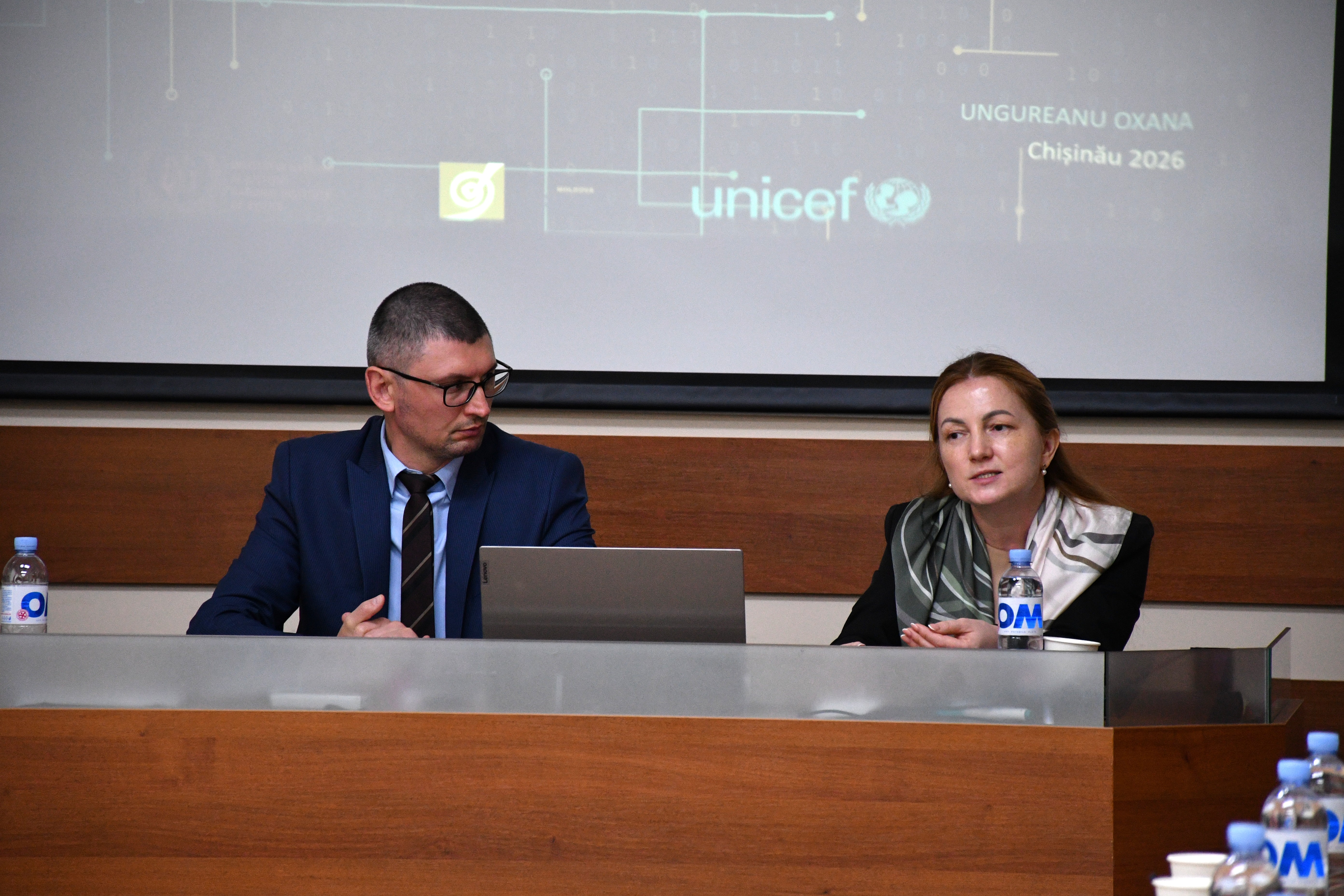
Justice professionals strengthen their skills in investigating and examining cases of online child sexual abuse and exploitation at the latest edition of the autumn thematic school
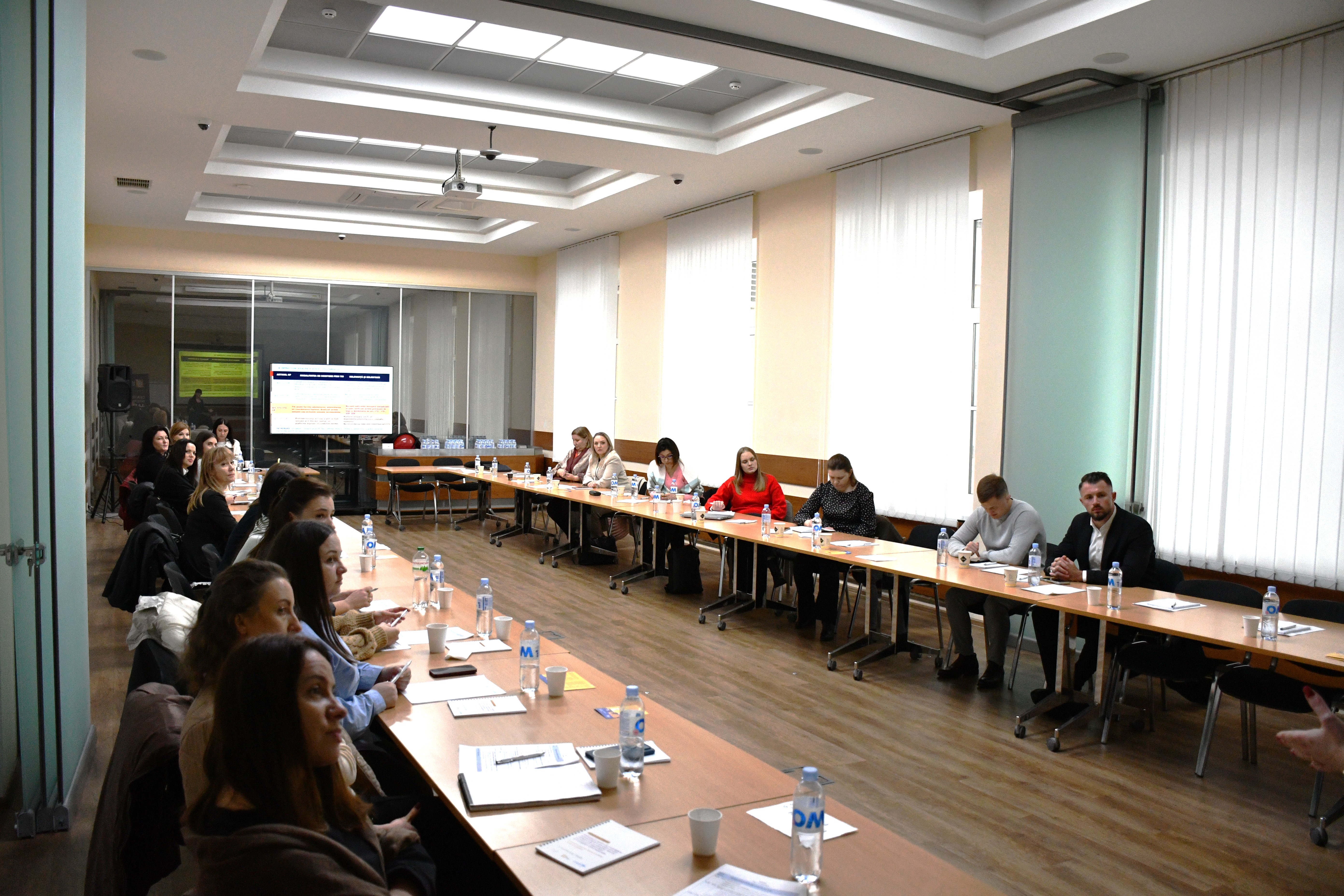
Judges, prosecutors, judicial assistants and prosecutors’ consultants from various regions of the country took part in two professional training activities dedicated to investigating and examining sexual offences committed through information technologies, with a particular focus on cases of online child sexual abuse and exploitation.
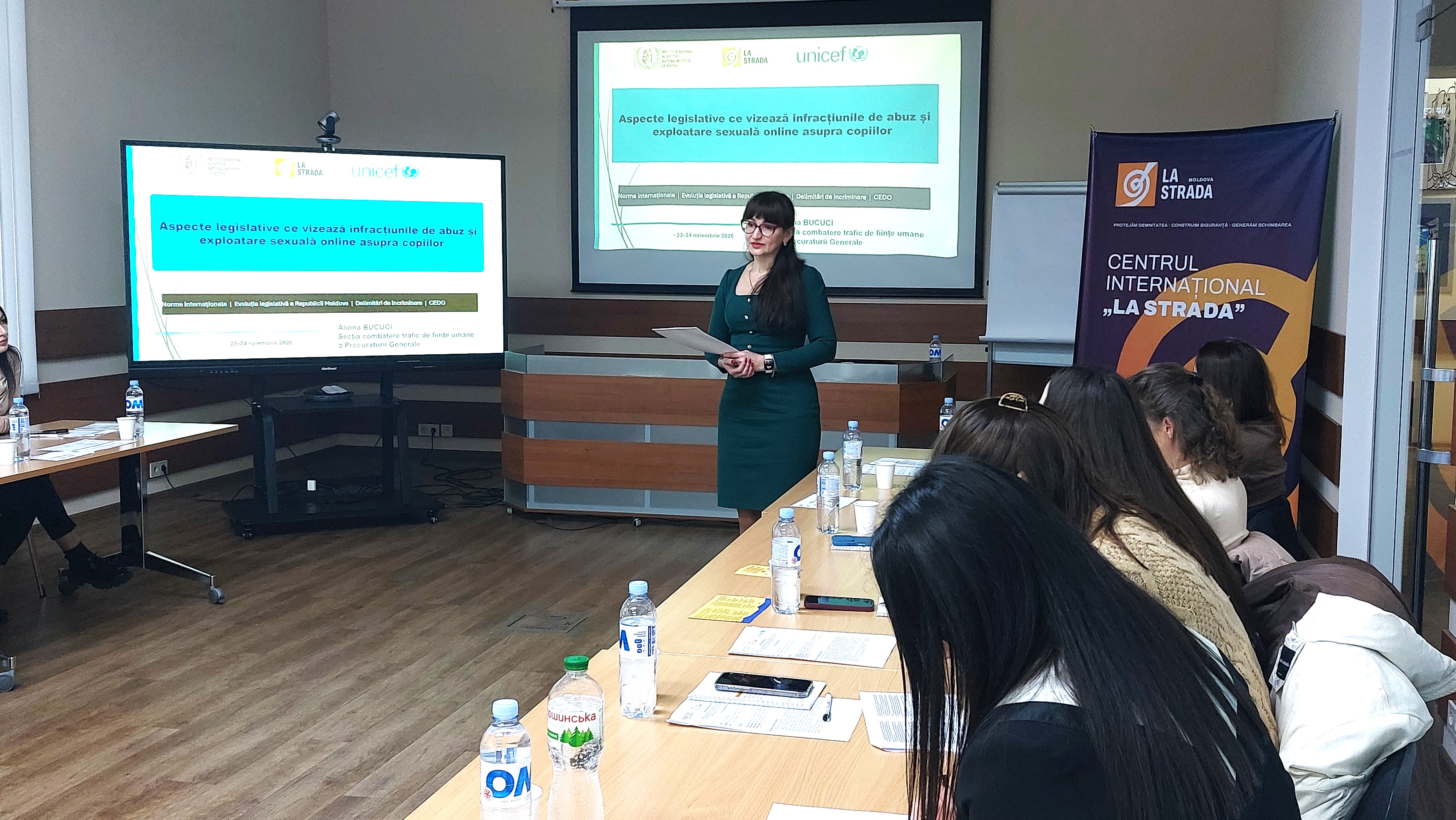
The activities were organised by the International Centre “La Strada”, in partnership with the National Institute of Justice and with the support of UNICEF Moldova, as part of the Autumn Thematic School for Judges and Prosecutors (19–20 November) and the training seminar for judicial assistants and prosecutors’ consultants (23–24 November).
Both training activities aimed to strengthen participants’ knowledge and develop the practical skills of justice professionals to respond more effectively to cases of online child sexual abuse and exploitation. Particular attention was paid both to the specific challenges of investigating offences committed in the digital environment and to the need to protect child victims throughout criminal proceedings.
In her opening remarks, Cristina Deliu, Director of the Children’s Programme at the International Centre “La Strada”, emphasised the importance of an intervention that places the child and their needs at its centre.
“In cases of online child sexual abuse and exploitation, the intervention of justice professionals must go beyond investigating an offence and identifying the perpetrator. It is essential that every stage of the proceedings takes into account the child’s vulnerability, the trauma they have experienced and their need for protection. A child-centred and trauma-informed approach can prevent revictimisation and help restore the child’s sense of safety and trust,” Cristina Deliu stated.
The training programme covered topics such as methods and tactics for investigating offences, the collection and handling of digital and physical evidence, the identification of perpetrators, the application of the national legal framework and the legal classification of offences, including in light of the latest legislative amendments. Participants also examined specific aspects of court proceedings, the presentation of evidence, sentencing and national judicial practice.
Particular emphasis was placed on a trauma-informed approach and the best interests of the child. During sessions dedicated to these topics, participants discussed the impact of online sexual abuse on children, age-related characteristics and risk factors in the digital environment, as well as the importance of adapting interactions with child victims to their individual needs and vulnerabilities.
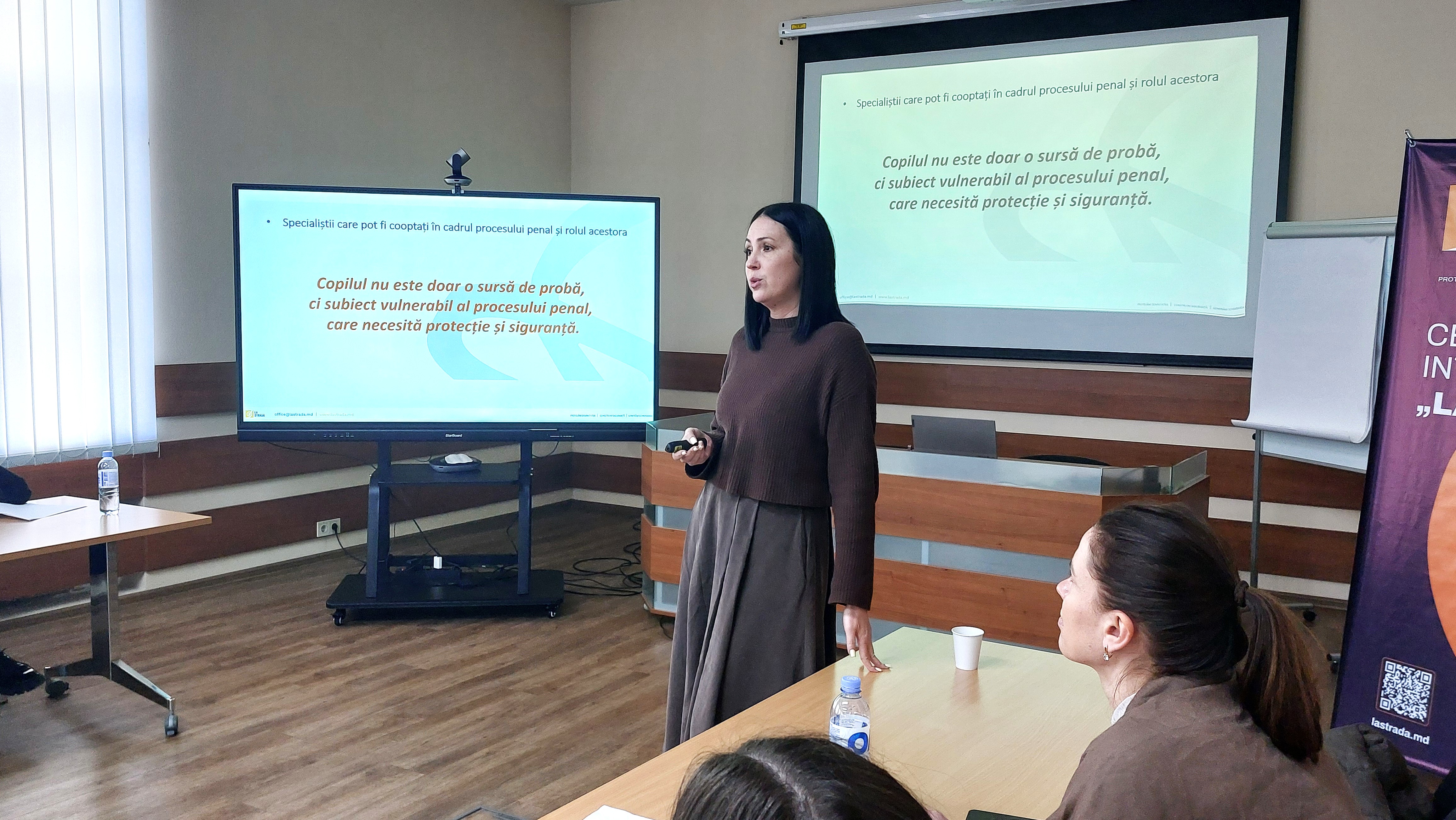
The training also addressed special conditions for interviewing children, the role of specialists in criminal proceedings, formulating questions during interviews and preparing psychological assessment reports. Another topic focused on the profile, motivations and behaviour of sexual offenders, including their cognitive distortions and modus operandi.
The relevance of the topics addressed and the practical applicability of the knowledge shared were key aspects of both training activities. Participants had the opportunity to analyse real-life scenarios, discuss challenges encountered when investigating and examining such cases, and explore ways to ensure a coordinated, professional response that is sensitive to the needs of child victims. The exchange of experience among representatives of different professions within the justice system provided a valuable framework for better understanding each professional’s role in preventing revictimisation and safeguarding children's rights.
Strengthening the skills of professionals who interact with child victims of online sexual abuse and exploitation will contribute to a more effective institutional response, ensuring thorough investigations, the protection of children's rights and the prevention of revictimisation throughout judicial proceedings.
The activities were organised within the framework of UNICEF’s project “Safer Internet Centre Moldova: A Comprehensive Safeguarding Response to Emerging Digital Threats”, implemented by the International Centre “La Strada”.